Jackery Explorer 1000 v2 Review: Portable Power With a Defined Ceiling
A research-based review of Jackery's 1,070Wh LiFePO4 power station, including output limits, ports, solar input, UPS behavior, and realistic load planning.
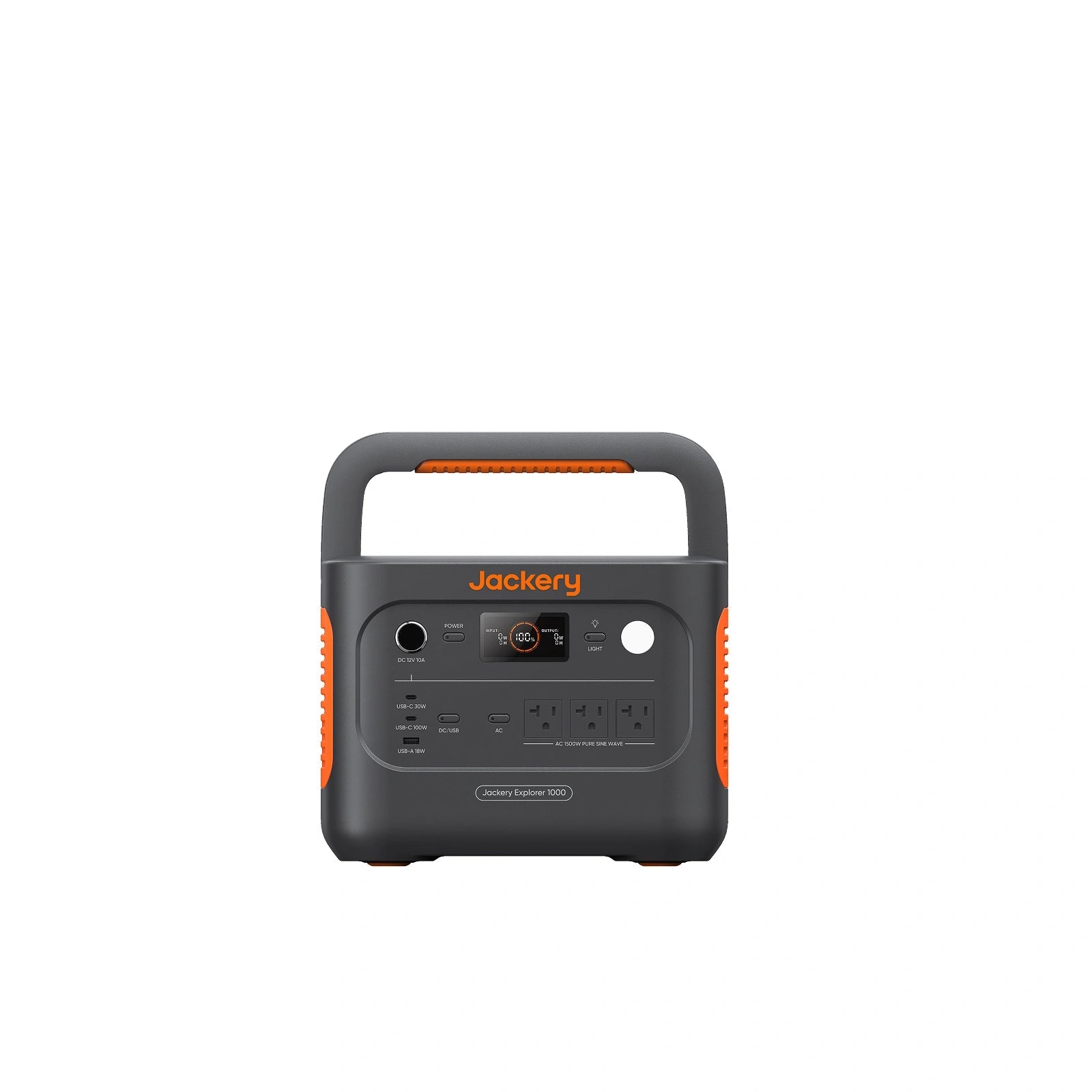
Quick Verdict
The Jackery Explorer 1000 v2 is a portable, 1,070Wh option for planned camping loads, short outages, and mobile work when its 1,500-watt continuous output and port mix cover the equipment. It is not a whole-home backup system, runtime depends on the actual load, and its sub-20-millisecond switching mode is not zero-interruption power.
This research-based review uses Jackery's official U.S. product page and support specifications. We did not load-test the inverter, measure runtime, test solar charging, or claim emergency performance.
Key Specifications
Source: manufacturer information, as linked in the references below. Published battery life and performance figures are manufacturer claims, not measurements by WorthTrove.
- Capacity
- 1,070 Wh
- AC output
- 1,500 W rated; 3,000 W surge
- Battery
- LiFePO₄; 4,000 cycles to 70%+ capacity
- Solar input
- Up to 400 W across two DC inputs
- Weight
- About 23.8 lb
- Dimensions
- 12.87 × 8.82 × 9.72 in
Pros and Cons
Strengths
- 1,070Wh LiFePO4 battery in a roughly 23.8-pound enclosure
- 1,500-watt rated AC output with 3,000-watt surge specification
- Two USB-C ports, including one rated up to 100 watts
- Up to 400 watts of published solar input
Limitations
- 1,500-watt continuous ceiling excludes some high-draw combinations
- Runtime changes with load, conversion losses, temperature, and battery age
- Solar panels are additional hardware unless included in a specific bundle
- UPS transfer is listed below 20 ms, not zero interruption
Who it's for
- Car camping and mobile work with a written load list
- Short backup for selected low-to-moderate draw devices
- Buyers prioritizing lower carry weight around the 1kWh class
Who should skip it
- Whole-home or hardwired backup
- Loads above the rated inverter output
- Equipment requiring guaranteed zero-interruption power
What we considered
We considered rated AC output, carrying weight, nominal capacity, and the required charging setup. The unit's surge figure is a temporary limit, not a higher continuous-power setting.
Price positioning depends on the current seller and package. We do not treat an unverified discount or a commission rate as evidence of value.
Main Features
The Explorer 1000 v2 pairs 1,070Wh of LiFePO4 battery capacity with 1,500 watts of rated AC output and a 3,000-watt surge specification. Jackery lists three AC outlets, two USB-C ports, one USB-A port, and a 12-volt vehicle output.
The enclosure measures 12.87 by 8.82 by 9.72 inches and weighs about 23.8 pounds. Two DC inputs support up to 400 watts of stated solar input with compatible equipment.
Capacity is not delivered runtime
A watt-hour label is stored energy under specified conditions. Usable runtime also reflects inverter efficiency, standby use, battery temperature, age, and the pattern of each load.
Startup surges from motors and compressors need separate attention from steady draw. A device below 1,500 watts on its nameplate can still create a difficult startup combination with other loads.
Backup and charging boundaries
Jackery describes a switching time below 20 milliseconds for its UPS function and explicitly distinguishes that from zero-delay power. Sensitive or life-critical equipment should follow its own backup requirements.
Fast AC charging and solar input are useful planning options, but charging time depends on mode, available power, panels, weather, and thermal conditions. Confirm the exact bundle rather than assuming solar hardware is included.
Use Cases
Campsite power
The port mix can cover lights, personal electronics, and selected appliances after wattage and runtime are calculated.
Short outage plan
A documented list of modem, lighting, medical, or refrigeration loads can be prioritized within capacity and output limits.
Mobile workstation
AC and USB-C ports can consolidate power for computers and communications equipment below the unit's limits.
Alternatives
| Option | Best for | Main tradeoff |
|---|---|---|
| EcoFlow DELTA 3 Plus | Higher rated AC output and a different port mix | Heavier published weight |
| Smaller 500Wh-class station | Lighter low-draw trips | Less capacity and often lower output |
Recommended Reading
Frequently Asked Questions
Can it continuously power a 1,800-watt appliance?
Its documented rated AC output is 1,500 watts. Do not use the 3,000-watt surge figure as a continuous rating; verify the appliance and station instructions.
Are solar panels included?
Package contents vary. Confirm whether you are buying the power station alone or a bundle, along with the required panel connections and input limits.
How we researched this product
We reviewed the public manufacturer information and documentation linked below, compared the listed capabilities with common buying needs, and identified ownership limits. This is a research-based review; we did not purchase or physically test this product. We update this page when material information changes.
Specifications describe the maker's claims. Suitability and buying advice are our editorial interpretation, not independently measured performance. We have not assigned a score or summarized customer sentiment without a documented basis.
References / Source Links
Specifications and support details can change. Check the manufacturer before purchase.