JBL Charge 6 Review: A Durable Speaker Built Around Longer Outings
A research-based look at the JBL Charge 6, from its IP68 enclosure and power-bank function to Auracast, USB audio, and stated battery modes.
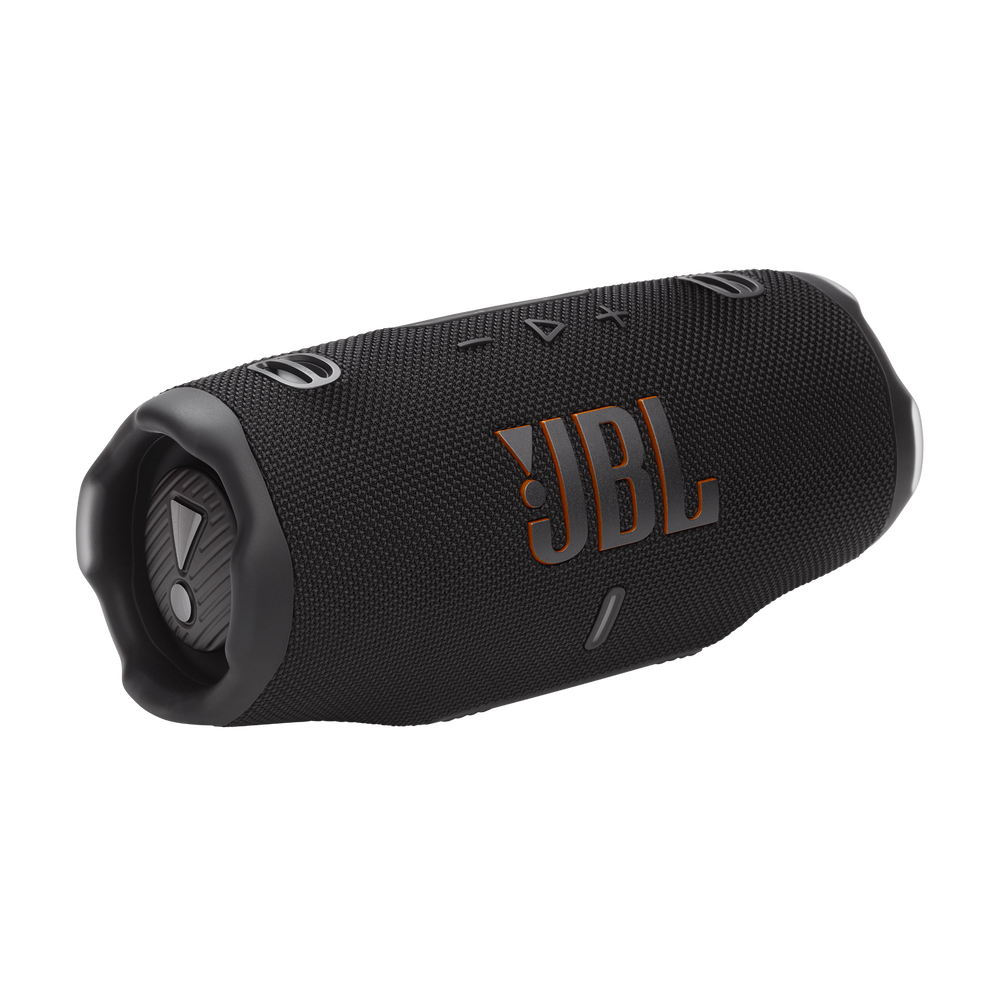
Quick Verdict
The JBL Charge 6 is a sensible portable speaker for outdoor days and shared spaces when IP68 protection, long stated playback, and phone charging matter more than minimal weight. It is still a single portable enclosure, and the extra Playtime Boost claim involves a mode change rather than a guaranteed result in every listening condition.
This research-based review uses JBL's U.S. product page, official specification sheet, and quick-start documentation. We did not claim listening tests, water testing, or long-term ownership.
Key Specifications
Source: manufacturer information, as linked in the references below. Published battery life and performance figures are manufacturer claims, not measurements by WorthTrove.
- Output
- 30 W RMS woofer plus 15 W RMS tweeter
- Frequency response
- 56 Hz–20 kHz (-6 dB)
- Battery
- Up to 24 hr, plus up to 4 hr with Playtime Boost
- Protection
- IP68 water- and dust-resistance
- Connectivity
- Bluetooth 5.4, Auracast, USB-C audio
- Dimensions
- 9.0 × 3.9 × 3.7 in
Pros and Cons
Strengths
- IP68 enclosure is rated against water and dust ingress
- Up to 24 hours of stated playback before optional Playtime Boost
- Can charge a compatible phone from the speaker battery
- Bluetooth 5.4, Auracast, and USB-C audio broaden connection options
Limitations
- A mid-size enclosure takes more packing space than a compact personal speaker
- The published maximum runtime depends on volume, content, and mode
- Playtime Boost changes playback behavior to extend stated runtime
- A single portable enclosure does not replace a separated stereo system
Who it's for
- Patios, parks, campsites, and poolside listening
- Travelers who value durability over minimum carry weight
- Groups that may expand playback with compatible Auracast speakers
Who should skip it
- Ultralight travelers
- Listeners building a fixed two-channel room system
- Buyers who only need a compact personal speaker
What we considered
We considered portability, charging needs, supported audio sources, and whether the buyer's existing speakers support the same connection system. The advertised runtime is not a guarantee at outdoor listening volume.
Price positioning depends on the current seller and package. We do not treat an unverified discount or a commission rate as evidence of value.
Main Features
JBL specifies a 30-watt woofer and 15-watt tweeter, a 56 Hz to 20 kHz frequency response, Bluetooth 5.4, USB-C audio, Auracast, and an IP68 enclosure. The published dimensions are 9.0 by 3.9 by 3.7 inches.
The internal battery is rated for up to 24 hours, with up to four additional hours through Playtime Boost. Actual playback varies with volume, audio content, environmental conditions, and use of the power-bank function.
Durability has operating limits
An IP68 rating is useful evidence about ingress protection, but it is not permission to ignore the quick-start guide. Ports, covers, drying, salt water, impacts, and aging can all affect practical ownership.
This model occupies the middle ground between compact personal speakers and larger party speakers. Compare its dimensions with your bag and the exact package you intend to buy.
Connection choices
Bluetooth is the default path, while USB-C audio supports compatible digital sources. Auracast can link compatible speakers, but buyers should confirm exact product support before assuming every older JBL model will join the same group.
The speaker is most coherent as a durable shared-audio tool. Buyers focused on near-field desk listening or true stereo separation should compare a different form factor.
Use Cases
Outdoor day trip
The IP68 rating and integrated carry strap address dust, splashes, and transport, within JBL's care instructions.
Shared gathering
Auracast can connect compatible speakers when one enclosure does not cover the intended area.
Low phone battery
The power-bank function can provide a practical top-up, with speaker runtime affected by the energy shared.
Alternatives
| Option | Best for | Main tradeoff |
|---|---|---|
| JBL Flip 7 | A smaller JBL format | Less room for battery and output |
| Bose SoundLink Plus | Buyers comparing another premium portable format | Different ecosystem, controls, and protection details |
Recommended Reading
Frequently Asked Questions
Can the Charge 6 charge a laptop?
JBL states that its power-bank function does not support laptop charging. Treat it as a mobile-device top-up feature, subject to device compatibility and remaining speaker battery.
Will USB-C audio work without preparation?
JBL says USB-C lossless playback requires compatible content and a compatible source, with the feature available through a JBL Portable app software update. Check the current setup instructions.
How we researched this product
We reviewed the public manufacturer information and documentation linked below, compared the listed capabilities with common buying needs, and identified ownership limits. This is a research-based review; we did not purchase or physically test this product. We update this page when material information changes.
Specifications describe the maker's claims. Suitability and buying advice are our editorial interpretation, not independently measured performance. We have not assigned a score or summarized customer sentiment without a documented basis.
How We Evaluate Products · Report a correction
Update note: September 17, 2026: Removed the earlier precise carry-weight statement because the current product page and earlier documentation were not consistent. Added research criteria and product-specific FAQs.
References / Source Links
Specifications and support details can change. Check the manufacturer before purchase.